WatchingEveryHorizon.
From first distress call to safe return, CoastGuardStation operates around the clock so coastal communities can sleep soundly. Resources for mayors, harbor masters, families, and volunteers — all in one place.
Miles of Coastline Patrolled
Lives Assisted This Fiscal Year
Avg Response Time
How We
Actually Respond
Six phases. Every incident. No shortcuts. Hover each card to see the crew, gear, and real timelines behind the station's response rhythm.
Distress Call Intake
VHF Channel 16 monitored continuously. Every call logged, classified, and triaged within 90 seconds.
Communications watch stander evaluates position, nature of d…
Crew Roles
Equipment
- VHF/MF Transceiver
- EPIRB Detection Array
- AIS Tracking Terminal
Communications watch stander evaluates position, nature of distress, and vessel count before alerting duty officer.
Risk Assessment
Weather, sea state, and asset availability evaluated in parallel. Go/No-Go decision in under 3 minutes.
Duty officer cross-references NOAA buoy data, current asset …
Crew Roles
Equipment
- NOAA Data Terminal
- Crew Status Board
- Asset Tracker
Duty officer cross-references NOAA buoy data, current asset positions, and crew readiness before authorizing launch.
Asset Deployment
Response boat or helicopter launched with crew, medical kit, and dewatering gear. ETA broadcast to all units.
45-foot Response Boat Medium departs with minimum 3-person c…
Crew Roles
Equipment
- RB-M 45ft
- MH-65 Dolphin (standby)
- Trauma Kit
- Dewatering Pump
45-foot Response Boat Medium departs with minimum 3-person crew. Helicopter standby activated for multi-casualty events.
On-Scene Operations
Rescue swimmer deploys in up to 8-foot seas. Tow lines set, injured triaged, vessel status assessed.
Scene commander establishes radio contact with distressed ve…
Crew Roles
Equipment
- Rescue Litter
- 600ft Tow Line
- Portable Pump
- Defibrillator
Scene commander establishes radio contact with distressed vessel, assigns roles, and coordinates with shore medical if needed.
Return & Hand-Off
Assisted vessel escorted to nearest safe port. Casualties transferred to EMS. All gear inventoried.
Coxswain coordinates with harbor master for slip assignment.…
Crew Roles
Equipment
- Tow Bridle
- Medical Transfer Bag
- Portable Radio
Coxswain coordinates with harbor master for slip assignment. Medical hand-off documented. Vessel owner notified.
After-Action Review
Full incident report filed within 24 hours. Lessons noted, crew debriefed, equipment re-staged.
Commanding officer reviews timeline, identifies any protocol…
Crew Roles
Equipment
- Incident Report System
- Training Matrix
- Equipment Log
Commanding officer reviews timeline, identifies any protocol gaps, and updates training matrix. Report shared with district command.
Hover cards to reveal crew roles · equipment · timelines
Resources built for the people who need to know before the call comes in.
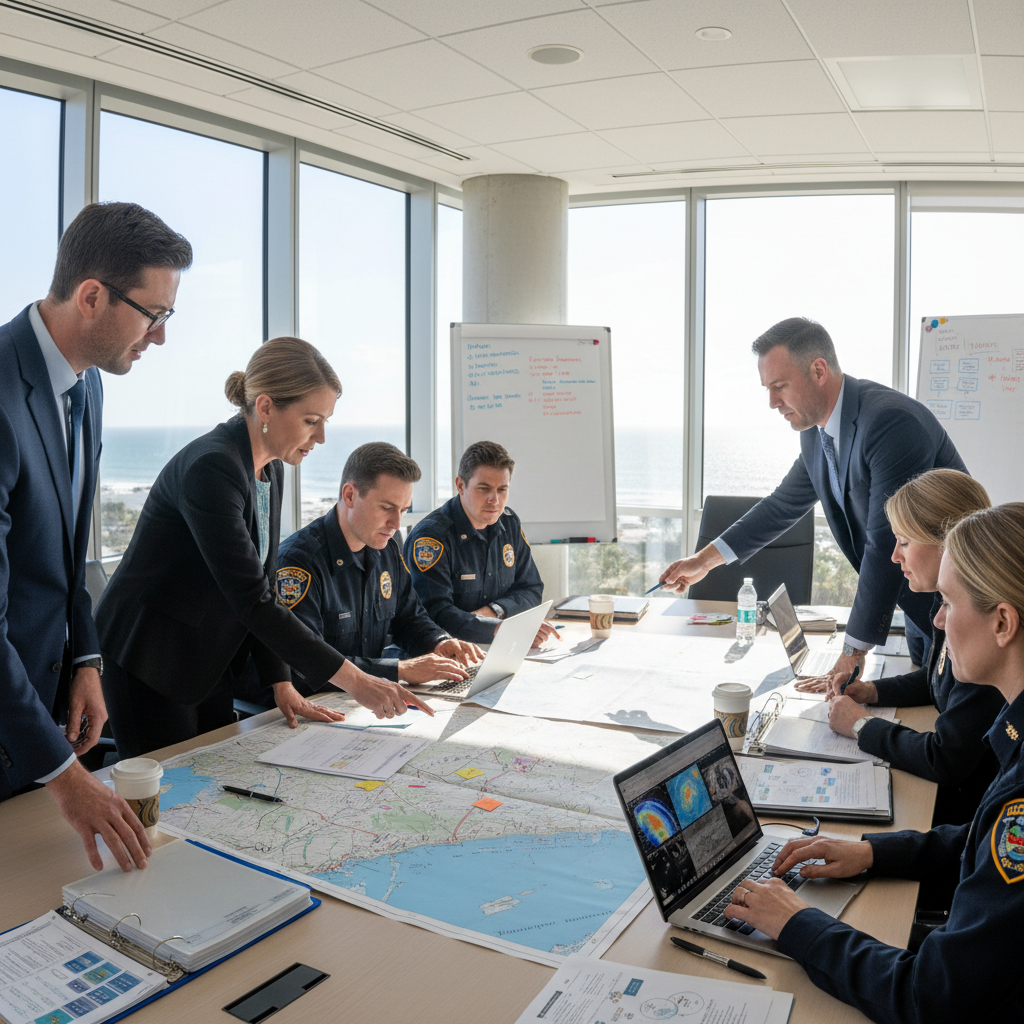
Emergency Response Planning
Station officers join your town's emergency operations table. We provide current asset inventories, response-time estimates, and mutual-aid protocol templates for coastal municipalities.
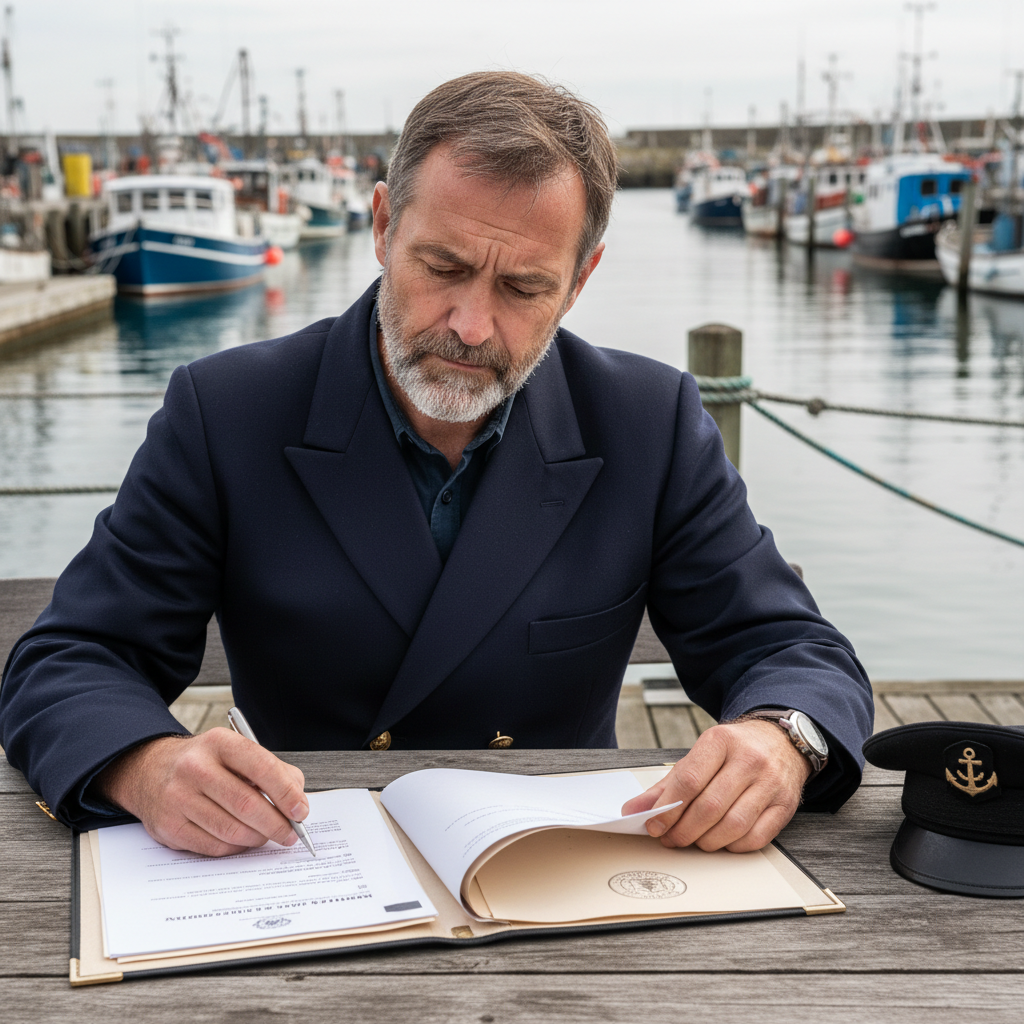
Mutual-Aid Agreements
Standardized mutual-aid templates aligned with USCG District protocols. Harbor masters receive direct radio links, joint-drill scheduling, and priority notification during significant incidents.
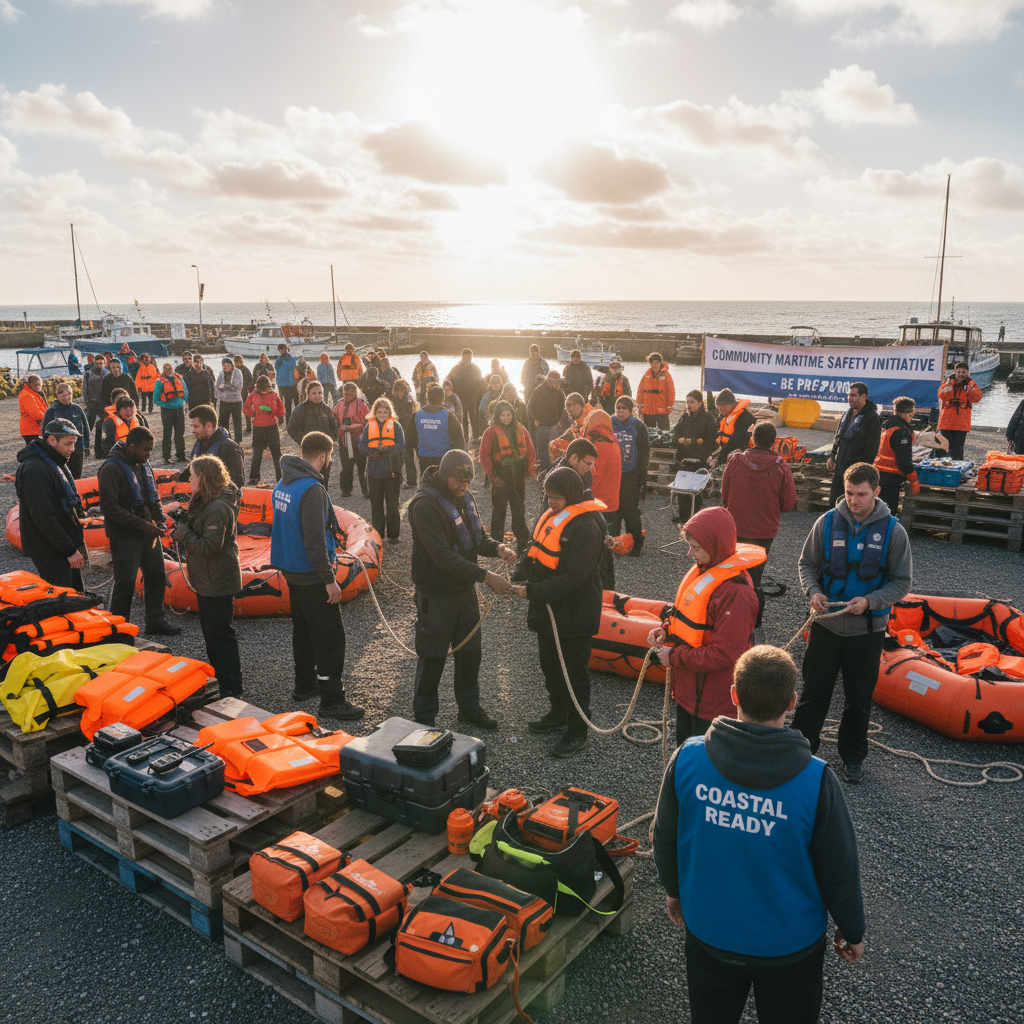
Preparedness Workshops
Quarterly workshops covering vessel safety equipment, EPIRB registration, float plans, and what to do in the first 10 minutes of a maritime emergency. Open to all waterfront residents.
Request a Community Briefing
Mayors, emergency managers, and harbor masters: let us bring the station to your table. In-person, virtual, or written summary — your format, your agenda.
Coverage maps & asset inventory
Response time analysis for your area
Mutual-aid template walkthrough
Join the Auxiliary
The USCG Auxiliary extends the station's reach into the community. No prior military experience required — your boating knowledge and commitment are enough.
The watch room is always open.
So are we.
For non-emergency coordination, mutual-aid inquiries, or media requests, reach the station administrative office Monday–Friday 0800–1700 local.
Administrative Email
admin@coastguardstation.gov
Non-Emergency Line
(843) 555-0174
Emergency
Dial 911 or VHF Channel 16